
Blog

Short answer: The thing that let me play fast jazz lines was a picking system called downward pick slanting with upstroke escapes. With the pick slanted down, every downstroke gets trapped between the strings and every upstroke comes free, so you plan your lines around one rule: going from higher no...
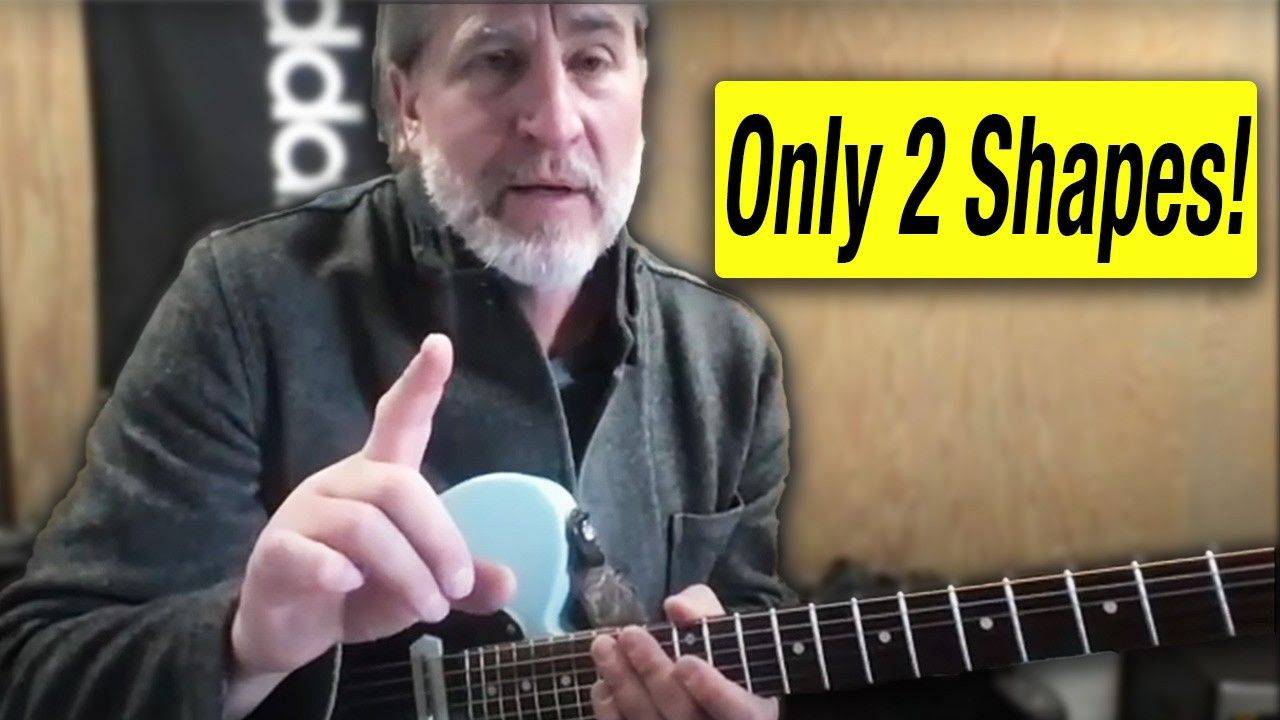
Short answer: Corey Christiansen's two-shape system replaces the five CAGED shapes with two fingerings for every scale and every arpeggio. Pattern 1 is the first octave of what CAGED calls the E shape, and Pattern 2 is the G shape. You learn each one a single octave at a time, the way pianists learn...

Short answer: Pat Martino's approach, laid out in his book Linear Expressions, is to think of every chord as a minor chord. A major 7 becomes its relative minor, a dominant 7 becomes the ii chord that leads to it, a half-diminished chord becomes the minor chord a minor 3rd up, and an altered dominan...
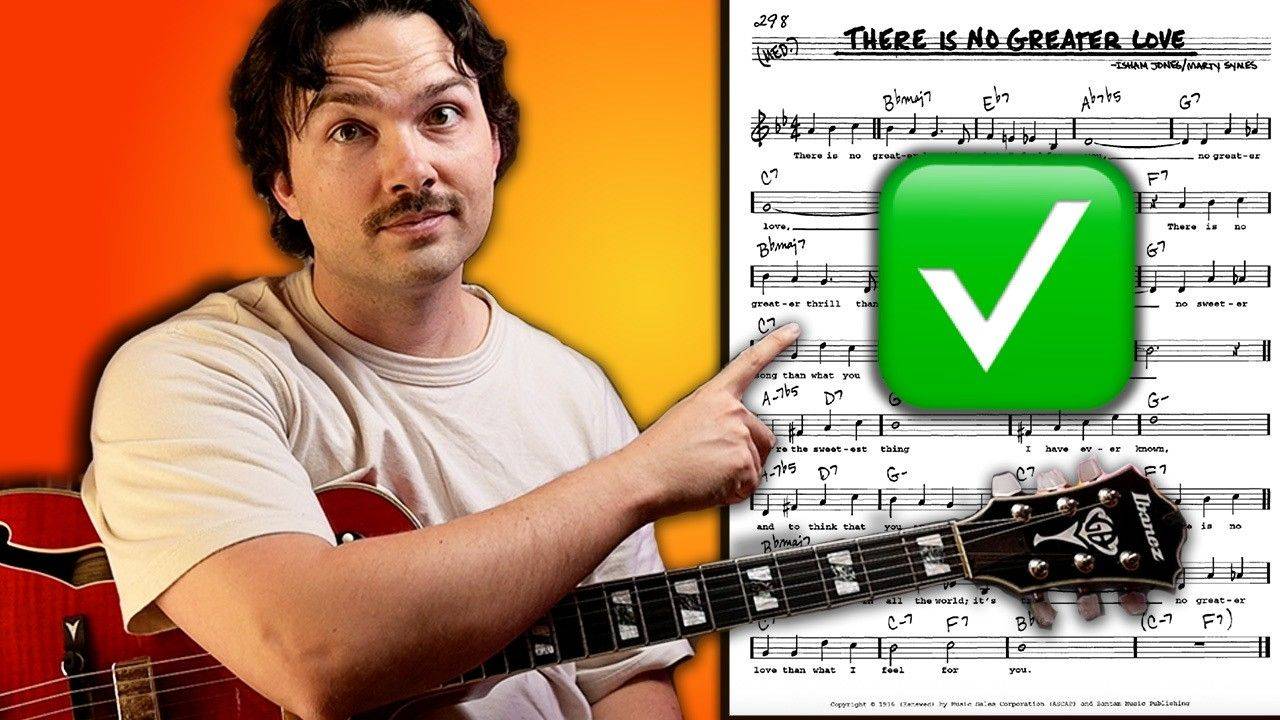
Short answer: Learn There Is No Greater Love, What Is This Thing Called Love, There Will Never Be Another You and Days of Wine and Roses, in that order. I analyzed the chord progressions of more than 100 jazz standards, and together these four tunes cover the four core chord qualities and the most c...
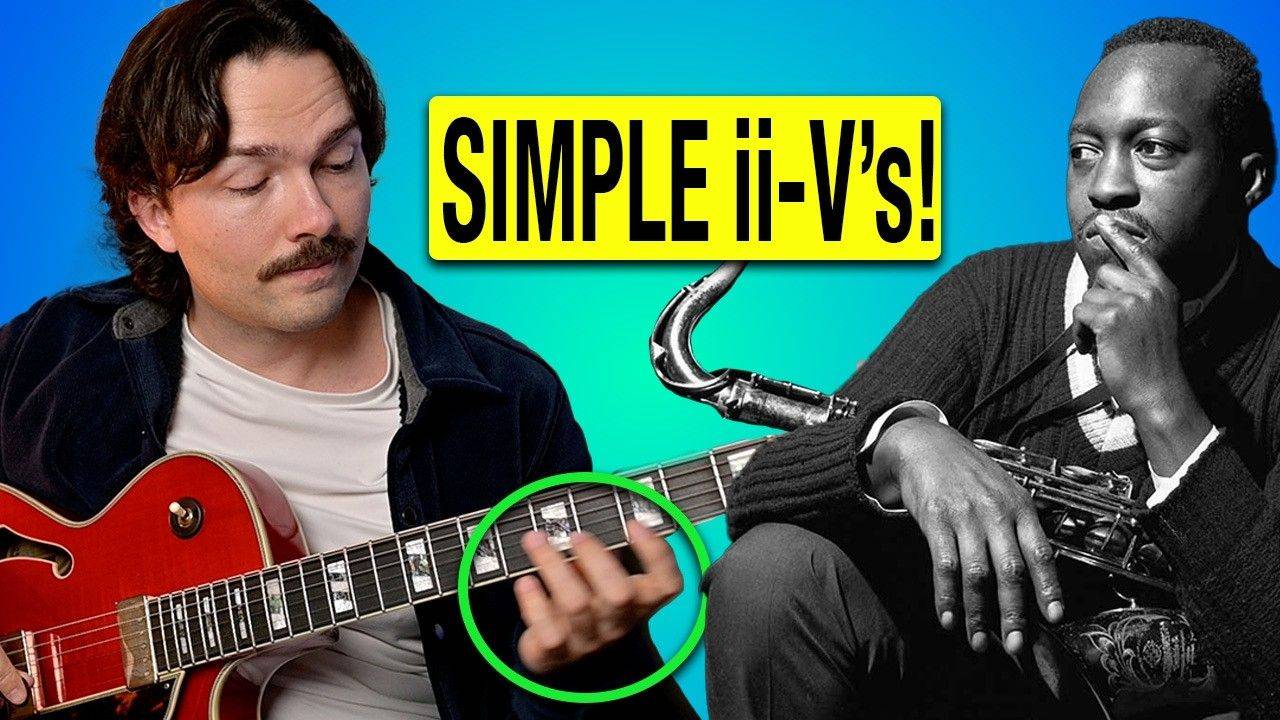
Short answer: Don't start with ii-V-I licks or a different scale for every chord. Start at the end. Learn the resolution notes on the I chord first, then use one small triad shape over the V chord that slides down a half step into those resolution notes, then one triad over the ii chord. That gives ...
A case study in what makes the difference between struggling and succeeding in your guitar journey
The Problem That Stops Most Guitarists
Julien had a problem that plagues thousands of guitarists: he knew what he wanted to do, but he couldn't figure out how to get there.
As a musician since...

Check out the video below to watch Chase teach you 10 Killer Melodic Minor Lines. To get the free PDF with music notation and TAB for this lesson go to:
