
How to Play Better on the Bandstand: Shai Maestro's Advice for Musicians
Nov 09, 2026Short answer: Pianist Shai Maestro's main advice is just listen. As a teenager he transcribed three Herbie Hancock voicings from Miles Davis's Plugged Nickel recordings, played them on a gig, and they sounded bad, because what made them work on the record was the whole band: Ron Carter's bass note and Tony Williams's cymbal. So transcribe to learn the language, but on the bandstand open your ears to what the bass and drums are doing, solo to make the other people on stage sound better, and, if you have this music in you, he says nothing compares to moving to New York.
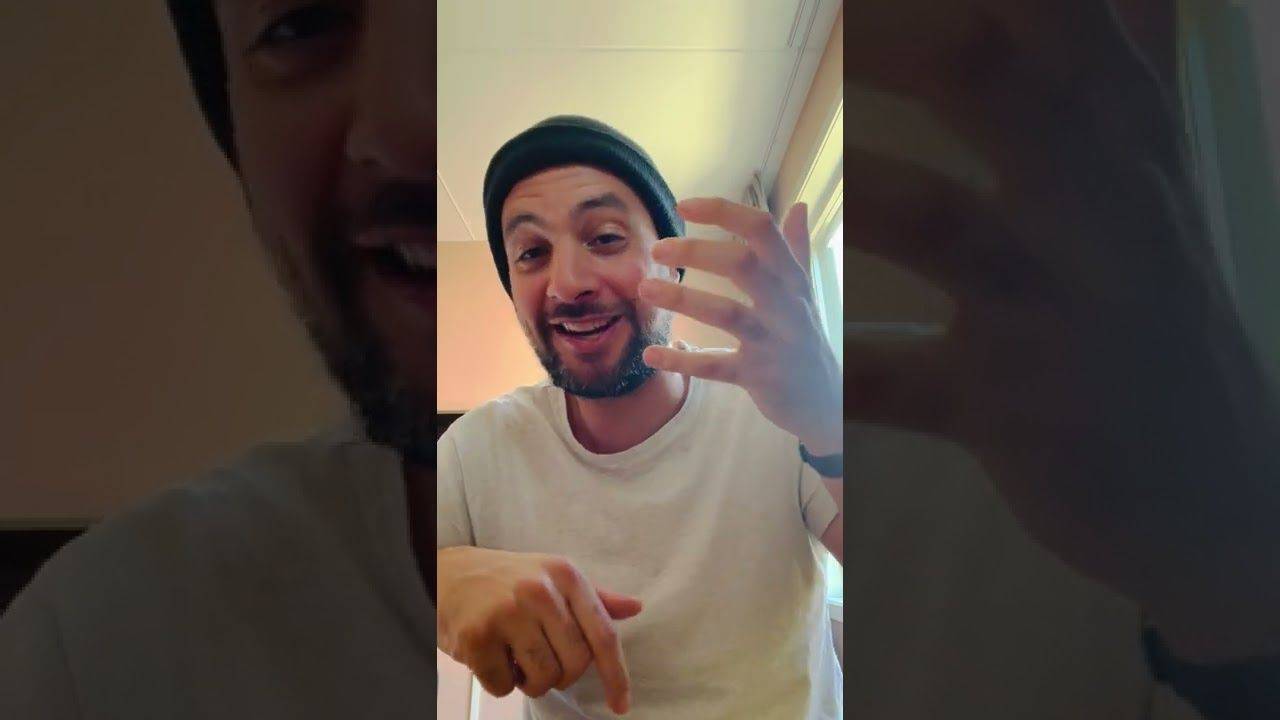
Shai Maestro recorded this short message for us. He says up front he's not a big fan of quick tips ("play this chord over this chord, use this scale") that promise to make you a great musician in a minute. Music is a long process of exploring, ideally with a teacher, so he shares more general lessons instead. ▶ 0:00
| Shai Maestro's lesson | What it means in practice |
|---|---|
| Transcribed notes aren't the whole story | On the record you hear the voicing plus the bass note and the cymbal behind it ▶ 1:24 |
| Be present in the moment | What note is the bass playing, and in which register? Where is the drummer placing the beat? ▶ 2:03 |
| Know when you're not needed | Bassist Joe Sanders is a master of laying out, so his return lands even harder ▶ 2:50 |
| It's not "your" solo | Put your energy into making the others sound better, and you (and the music) sound better ▶ 3:40 |
| Find a scene | For him, nothing compares to New York and its community ▶ 4:25 |
Why transcribed voicings can sound wrong on a gig
When Shai was 16 or 17, living in Tel Aviv, he transcribed three Herbie Hancock voicings from the Miles Davis Quintet's Plugged Nickel recordings, over an F7 chord or something close. He went to his gig, waited for an F7, played his Herbie voicings, and expected everyone to flip. It sounded terrible. ▶ 0:33
He knew the notes were right, so why didn't he get the same effect? Because when you listen to Herbie on that record, you also hear Ron Carter and Tony Williams. Ron chose a specific note under those chords; Tony chose a specific cymbal and a specific way of dividing the time. What you hear on the record is a package deal. ▶ 1:24
The moral isn't "don't transcribe." Shai says transcriptions are great for learning the language. It's about what you do with your ears once you're on stage. ▶ 2:03
Listen to what's happening on stage
Being present means asking real questions while you play: ▶ 2:03
- What is the bass player playing? A D♭, a B♭, a G? And if it's a G, where is it: at the bottom of the bass or higher up? Those are three different options to work with.
- What is the drummer playing? What's being suggested to you, and where is it placed: are you behind the beat or in front of it?
- Are you needed at this moment at all?
All of that is what helps you choose the right thing to play, or the right thing not to play. That's why he tells you to work on your ear training: so you can pick out and identify the notes coming from the bass. ▶ 3:09
Know when to lay out (Joe Sanders)
Shai's example is bassist Joe Sanders, who he calls a master of laying out, which is really outside a bass player's job description. You'll see him about to play something, then decide he isn't needed, or that the band needs a break from the low end. A moment of higher frequencies happens on stage, and when he comes back in, he plays the most beautiful note. ▶ 2:50
Don't treat your solo as your solo
It sounds strange, Shai admits, but when it's your turn to solo, try not to see it as your solo. Put all your energy into making the other people on stage sound better. ▶ 3:40
Ironically, you'll sound better too. More importantly, the music gets better: the choices become more honest, and everybody wins. His summary: just listen. ▶ 4:05
His personal advice: move to New York
Shai's last piece of advice is a personal one: if you want to play this music and you have it in you, move to New York. He'd been there about ten years when he recorded this, and says nothing compares to getting your butt kicked on a daily basis, musically speaking: going to Smalls, the Village Vanguard, the Jazz Gallery and wherever else, listening to amazing musicians, and being part of that community, interacting with musicians on stage and off. ▶ 4:25
He's clear that there are amazing scenes everywhere. For him, New York was simply the most important place in his musical life, and he says it's worth at least visiting. ▶ 4:32
Frequently asked questions
What is Shai Maestro's advice for musicians?
Just listen. Transcribe to learn the language, but on the bandstand pay attention to what the bass and drums are doing, know when you're not needed, and use your solo to make the rest of the band sound better.
Why don't transcribed licks or voicings sound right when I play them?
Shai Maestro's story: his transcribed Herbie Hancock voicings worked on the Plugged Nickel record because Ron Carter and Tony Williams were playing specific things around them. On his gig that context was missing. The notes are only part of the sound; how they fit with the band is the rest.
Should I still transcribe?
Yes. Shai says transcriptions are great for learning the language. His point is that transcribing doesn't replace listening to the people you're playing with.
How do I make my solo sound better?
Shai's answer: stop thinking of it as your solo and put your energy into making the other musicians sound better. You'll sound better, and the music will be more honest.
Who is Joe Sanders?
A bass player Shai Maestro points to as a master of laying out: he knows when the band needs a break from the bass, so the note he plays when he comes back in has more impact.
Keep learning
- How to learn jazz language from recordings: five examples of turning what you transcribe into vocabulary you can use
- Kenny Werner on effortless mastery: another pianist's advice on getting the ego out of the way when you play
- How to practice jazz guitar in 30 minutes a day: a simple daily structure for the long process Shai describes
Go deeper
How do you learn best? Take the free Guitarist Profile quiz: 10 minutes, and you get your practice mindset, your strongest and weakest skills, and a 28-day plan. Find out what kind of jazz guitarist you are →
If you want me to guide you, that's what we do inside Chase's Guitar Academy. The curriculum tells you what to practice each day, and every week we work through a tune together in the live class. You can try it free for seven days.
"Instead of being afraid of searching for the next note — like stepping on a minefield — I'm listening for and playing the next tone, which gives me a feeling of self-assurance." Fred K., CGA member
50+ five-star reviews from CGA members, most of them on video: read what members say.
Chase Maddox is a jazz guitarist and educator in Miami and the founder of Chase's Guitar Academy. George Benson has called him "an amazing instructor." More free lessons are on his YouTube channel.
