
Kenny Werner on Effortless Mastery: How to Practice Without the Ego Getting in the Way
Nov 06, 2026Short answer: In Kenny Werner's words, effortless mastery is separating the body from the mind and separating the mind from the ego. The body is the instrument that plays the instrument; the mind's job is to receive, not to manage. When the ego takes over ("I'm not good enough," "I should have learned this already"), you practice and play worse. His fix: drop the idea that your value depends on how you play, aim to hear every note you play as "the most beautiful sound I've ever heard," and before you practice, spend half a minute just watching your breath.
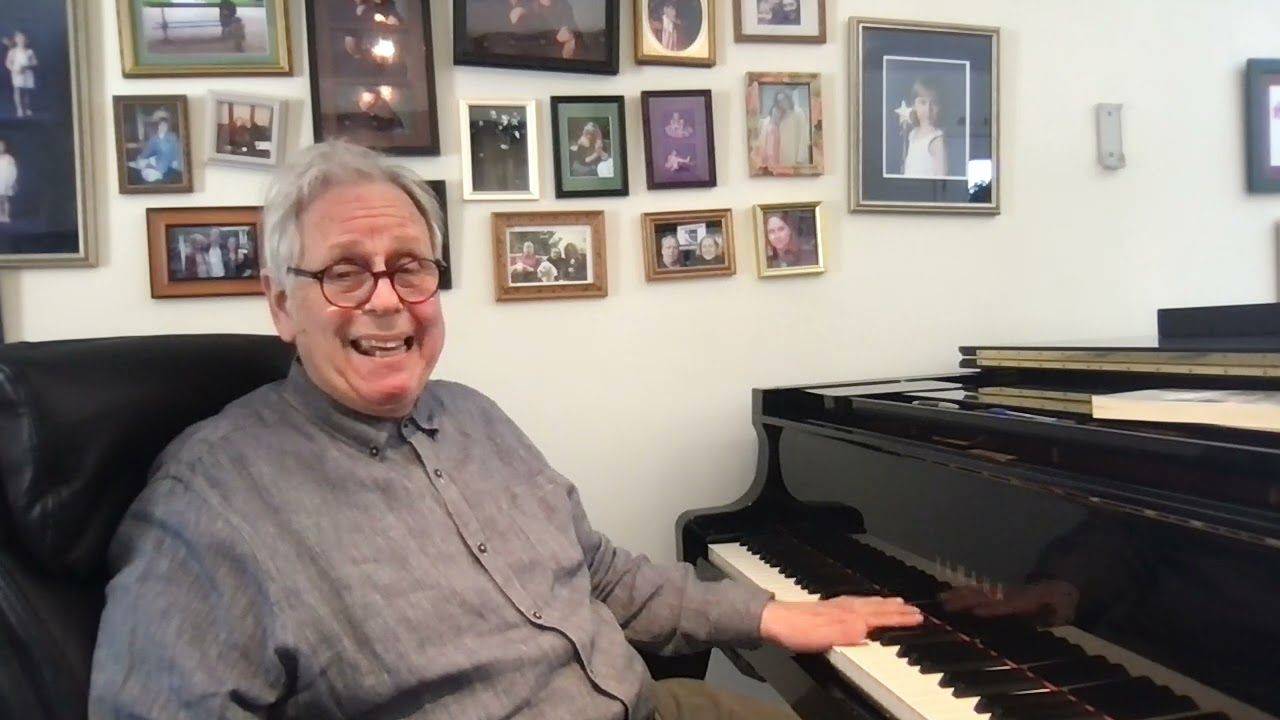
Pianist Kenny Werner recorded this lesson for us about his book Becoming the Instrument: Lessons on Self-Mastery from Music to Life, his first book in 25 years. He connects it to his first book, Effortless Mastery: the lessons he learned in music, put into words the right way, help people in any walk of life. ▶ 0:00
| Idea | What Kenny Werner means by it |
|---|---|
| Effortless mastery | Separate the body from the mind, and the mind from the ego ▶ 0:42 |
| Becoming the instrument | The body is the instrument that plays the instrument ▶ 1:17 |
| The body plays, the mind receives | The mind can watch, but it can't dictate ▶ 1:44 |
| No consequences | In most cases there are no real consequences to playing ▶ 2:25 |
| "Every note I play is the most beautiful sound I've ever heard" | The musical equivalent of enlightenment ▶ 9:34 |
| The space | Move out of the thinking mind by watching your breath, then play from there ▶ 14:28 |
The body plays, the mind receives
The only instrument that really plays the instrument is the body. The reason it can't work easily and efficiently is that it's always being tormented by the mind: I'm not playing well enough, I should have been playing better years ago, when am I ever going to learn this? All kinds of drama that doesn't exist in this moment. Playing without expectations means playing without that mind. ▶ 1:17
The mind can stay, though. Another definition of effortless mastery: the body plays and the mind receives. The mind can only receive if it isn't tormenting the body with priorities and consequences, and in most cases there are no consequences to playing. ▶ 1:44
Train the body, not the mind (rhythm as the example)
When the mind has to manage the body, the playing is by definition a level below what happens when the body plays. Take rhythm. If you need to be strong, awake, not have a cold or not have eaten too much to be rhythmic, that's not as efficient or precise as someone whose body is rhythmic. ▶ 3:00
That's why people who come from rhythmic cultures are rhythmic automatically when they play. A lot of Americans and Europeans have to implant rhythm that wasn't put there as a child, and there's a way to train the body to do it. ▶ 3:46
But to train the body you have to get the mind out of the way, and separate the mind from the ego. If the ego dictates, it dictates impatience, pessimism and disappointment, because you don't improve at the speed it demands. Then you miss the simple, incremental improvement you are making. Kenny says he spent decades installing rhythm in a body that didn't grow up in a rhythmic environment, and it's the same for harmony and melody. ▶ 4:10
Your value isn't how well you play
The thing you really have to gain control over, by letting it go, is the mind. It's the mind that discourages you and looks for false security, like "how good do I play?" A human being has a non-negotiable value just for being alive, and it should never depend on how you play an instrument. ▶ 5:24
Why say music isn't that important? Because of what he found writing Effortless Mastery, and what's been written about a lot in sports and psychology: when you try harder, you usually play worse. When you think it's all on the line, most of us can't get it going. If we could somehow be tricked into thinking nothing important was happening, we could soar. Effortless mastery is the study of having that freedom any time, not just by accident. ▶ 6:36
Why we give up in the practice room
We don't practice well because we give up before we've achieved what we were practicing. The ego talks to us: "you'll never learn this," "you should have learned this already," "I guess I'm not very talented." The only thing you're doing wrong at that moment is listening to that thought. ▶ 8:20
Even alone, something is judging us, and it's us. We've had a lot of help learning to judge ourselves, not least by going to music school. It's time to learn to at least accept any sound coming out of you, and at most love it. ▶ 9:34
"Every note I play is the most beautiful sound I've ever heard"
Kenny calls this the musical equivalent of enlightenment. If you've trained yourself to believe it, you're on a golden highway, because it isn't based on how well you play. Whenever you've worried more about how good you play, you've played worse; whenever you didn't care, you played better. ▶ 9:34
Believing it isn't enough at first. If you believe you should honor yourself just by touching the instrument but you still judge yourself, you have a conscious philosophy but not yet a neurological pathway for it. The older pathway ("I play well, I'm good; I play badly, I'm worth less") is more worn in, because you've walked it many times. The work is building a new pathway, from what he calls the space. ▶ 10:43
How to practice from the space
Instead of thinking what you're thinking, move into another room: the space. In that room you just watch the breath. Don't think of it as spiritual; think of the body as a machine with other machines inside it, and one of them breathes. It's the most important thing keeping you alive, and you never think about it. Take half a minute and just watch it. No rituals, no costumes. ▶ 14:28
From there, start to play. The hands can play without being managed by the mind, the same way you can use a fork while you're on the phone and it still finds your mouth. So you practice: the hands play, the mind watches, but it keeps its attention on the breath. When you get caught up, go back to the breath. ▶ 15:32
Kenny's closing advice: go into the space, watch yourself breathe for a few seconds, and you'll find your mind moving away from the thoughts and into the moment. Then start practicing, as the version of you without the expectations. ▶ 17:44
Frequently asked questions
What is effortless mastery?
Kenny Werner's definition: separating the body from the mind, and the mind from the ego. The body plays and the mind receives, without the ego demanding results.
What is Becoming the Instrument about?
It's Kenny Werner's book "Becoming the Instrument: Lessons on Self-Mastery from Music to Life," his first in 25 years. It takes the ideas of Effortless Mastery and applies them beyond music, to anything.
Why do I play worse when I try harder?
As Kenny explains, when you think everything is on the line, the ego and the mind take over from the body. Most of us play better when we aren't worried about how well we're playing.
How do I stop judging myself when I practice?
Notice that the thoughts ("you'll never learn this," "you should know this by now") are the only thing going wrong, and stop listening to them. Kenny's practice: watch your breath for half a minute, then play while the mind watches and keeps its attention on the breath.
Does Kenny Werner's approach work for classical players too?
He says it works a little differently: classical players have to learn the notes so deeply that the piece plays itself. Then the mind can watch, once it's free from the ego.
Keep learning
- How to practice jazz guitar in 30 minutes a day: a simple daily structure, so practice doesn't depend on willpower
- The 9 essential jazz books musicians recommend: including Kenny Werner's Effortless Mastery
- How to be successful in music: 12 rules for musicians: daily habits for the long game
Go deeper
What's your practice mindset? Take the free Guitarist Profile quiz: 10 minutes, and you get your practice mindset, your strongest and weakest skills, and a 28-day plan. Find out what kind of jazz guitarist you are →
If you want me to guide you, that's what we do inside Chase's Guitar Academy. The curriculum tells you what to practice each day, so you can spend your energy playing instead of second-guessing, and every week we work through a tune together in the live class. You can try it free for seven days.
"I was on the verge of giving up trying to learn jazz guitar completely. I'd spent years trying to learn from books, video courses, and the internet, and was just overwhelmed and frustrated." Julian Gurr, CGA member
50+ five-star reviews from CGA members, most of them on video: read what members say.
Chase Maddox is a jazz guitarist and educator in Miami and the founder of Chase's Guitar Academy. George Benson has called him "an amazing instructor." More free lessons are on his YouTube channel.
